Bygone Building Blocks
See how people have been utilizing minerals in all sorts of ways, from antiquity to today.

By James Yang
Ever wonder what your birthstone says about you? Nothing. But they speak volumes to how much people have been drawn to gems, no matter which stage of history.
Whether today or thousands of years in the past, minerals have been an invaluable asset to human innovation and our everyday lives. Dug from the earth, rocks contain minerals with diverse properties that are used for all kinds of inventions.
Human Development
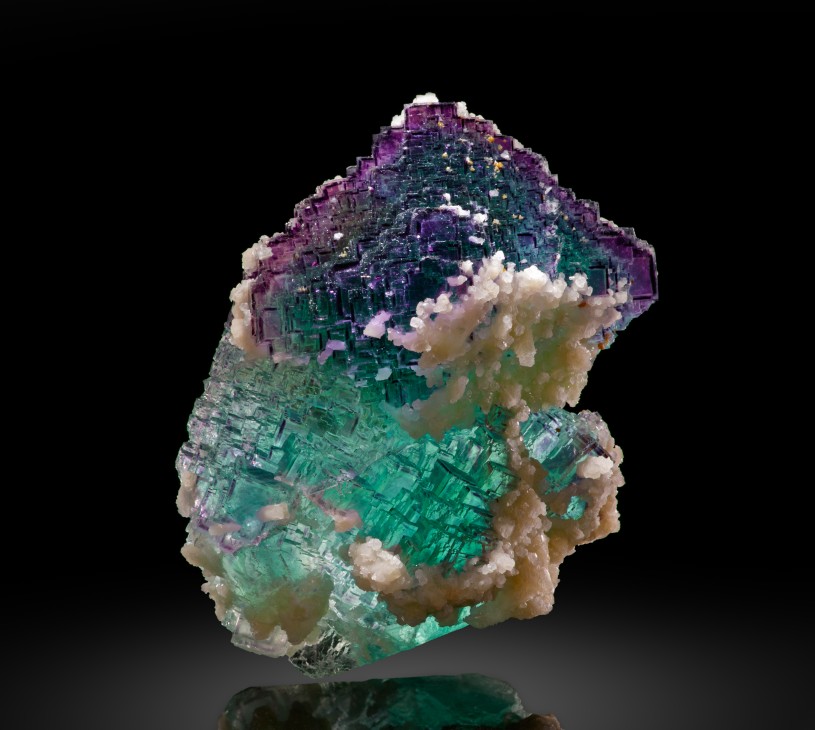
Every electronic device utilizes the conductive quality of copper from mines or deposits all over the world. Natural zeolites and clays make up water filters and kitty litter, and quartz is piezoelectric, which allows the crystal to use the frequency of light to tell time in our watches and clocks. The minty toothpaste we use is also made from the mineral fluorite—there are tons of modern-day applications for minerals and all of their extracts. Despite their incredible architectural feats, ancient civilizations did not have access to the cutting-edge technology we have today. We use polymers and pigments to create colors, but back then, people ground up minerals of all shapes and colors in order to create dyes and paints. For example, calcite creates a white powder, which can be mixed with kaolinite, a clay mineral, to give the dye a fluid paint texture. Other colors can be produced just as easily: ground azurite makes blue, cinnabar makes red, coal makes black, limonite for an earthy yellow-brown, and orpiment makes yellowish-orange.
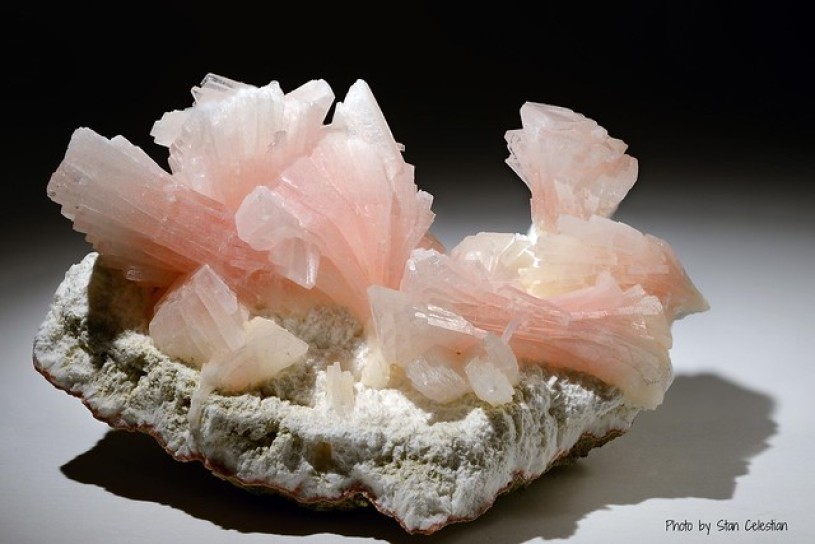
We know human progress boomed after the Industrial Revolution happened around 250 years ago in Europe—but technology soared long before that in the ‘Bronze Age’, a broad time period of discovery where people all over the world discovered they could use bronze and various other minerals as tools, weapons, and decorations. “Every civilization’s Bronze Age happened at a different time in different regions. For example, the Shang Dynasty’s Bronze Age was around 1,600 BC,” Mineral Sciences Collection Manager Kriss Leftwich explained. “When people talk about the ‘Bronze Age’, they mostly refer to the Euro-centric region, from 3,200 to 900 BC.”
Minerals as Wealth
As one of the most prominent forms of minerals, gems have long been valued for their inherent beauty. Since ancient times, gemstones have stood for royalty and a measure of wealth as the primary source of coinage and currency. They are mined from the earth as ores then processed and cut by specialists who can embed them into jewelry pieces like necklaces, rings, and even spectacles which use large, flat-cut gemstones such as diamonds and emeralds as their lenses. “Inlays were a big part of aesthetics back in the day. The Taj Mahal in India used minerals from all over the world, for example,” Leftwich said. “Lots of inlay pieces were used everywhere, whether they were on a smaller or a larger scale, from metal inlay swords and flint arrows to entire palaces.”
Myths and Legends
Rich stories and superstitions accompany the vast beauty in each gem or mineral. Some stones may be rumored to bring good luck, and others are fabled to ward off vampires or even curse a rival. Many minerals are associated with birth dates, or moon cycles, or even gods and goddesses when different cultures mix their experiences together. Afro-Brazilian cultures, for example, represent their ‘orisha’ gods with jeweled statues decked in each of their symbolic colors. It might sound ridiculous now that we know much more about our environment, but it was a valid concern in the past, where people had no other explanation but to attribute their fortune or blame their bad luck on unordinary items like gems.
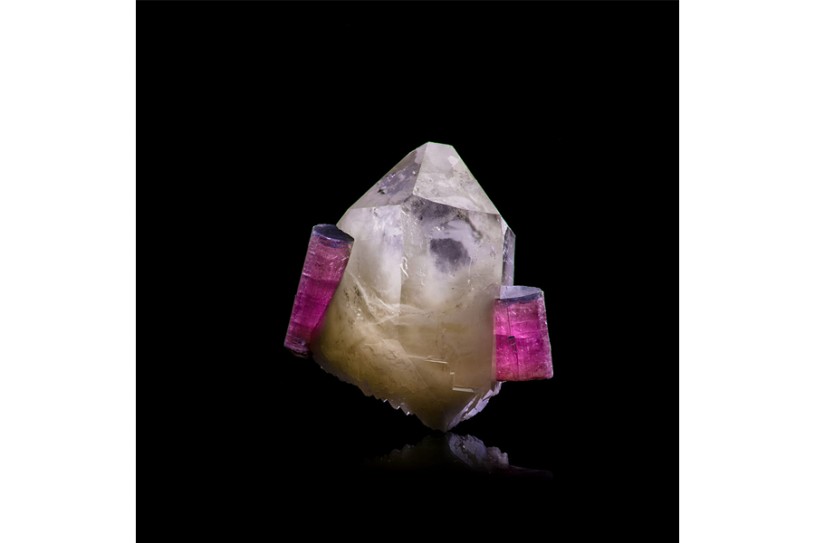
There are many minerals like erionite and cinnabar that are capable of real harm. Sand blasting, a method that powerfully propels streams of sand to shape a material, can also cause the irreversible lung disease silicosis if you breathe in too much silica dust. Though most minerals are completely safe, it’s up to you to decide whether keeping that tourmaline will help you ace your next test! The upcoming Unearthed: Raw Beauty exhibit will feature hundreds of gorgeous rocks and minerals and gems, each with their own story to tell. Each of the specimens’ unique shapes and sizes showcase the infinite mysteries and beautiful possibilities that minerals hold. The exhibit opens December 14 next to the Gem and Mineral Hall. Come see and shine with the starry stones this winter!

